

The first conversation about depression often happens outside a psychiatrist’s office. It may begin during an annual physical, after months of poor sleep, or when anxiety and low energy start making work, relationships, and daily routines feel harder than they should. So, can primary care prescribe antidepressants? In many cases, yes. A primary care provider can evaluate common depression and anxiety symptoms, prescribe many antidepressant medications, and provide ongoing follow-up.
That does not mean every person needs the same care plan. Depression can look different from one patient to the next, and the right next step depends on your symptoms, health history, medications, preferences, and access to support.
Can Primary Care Prescribe Antidepressants for Depression?
In the United States, licensed primary care physicians, nurse practitioners, and physician assistants can generally prescribe antidepressant medications within the scope of their licensure. Primary care providers commonly help patients begin and manage treatment for mild to moderate depression, generalized anxiety, panic symptoms, and related concerns.
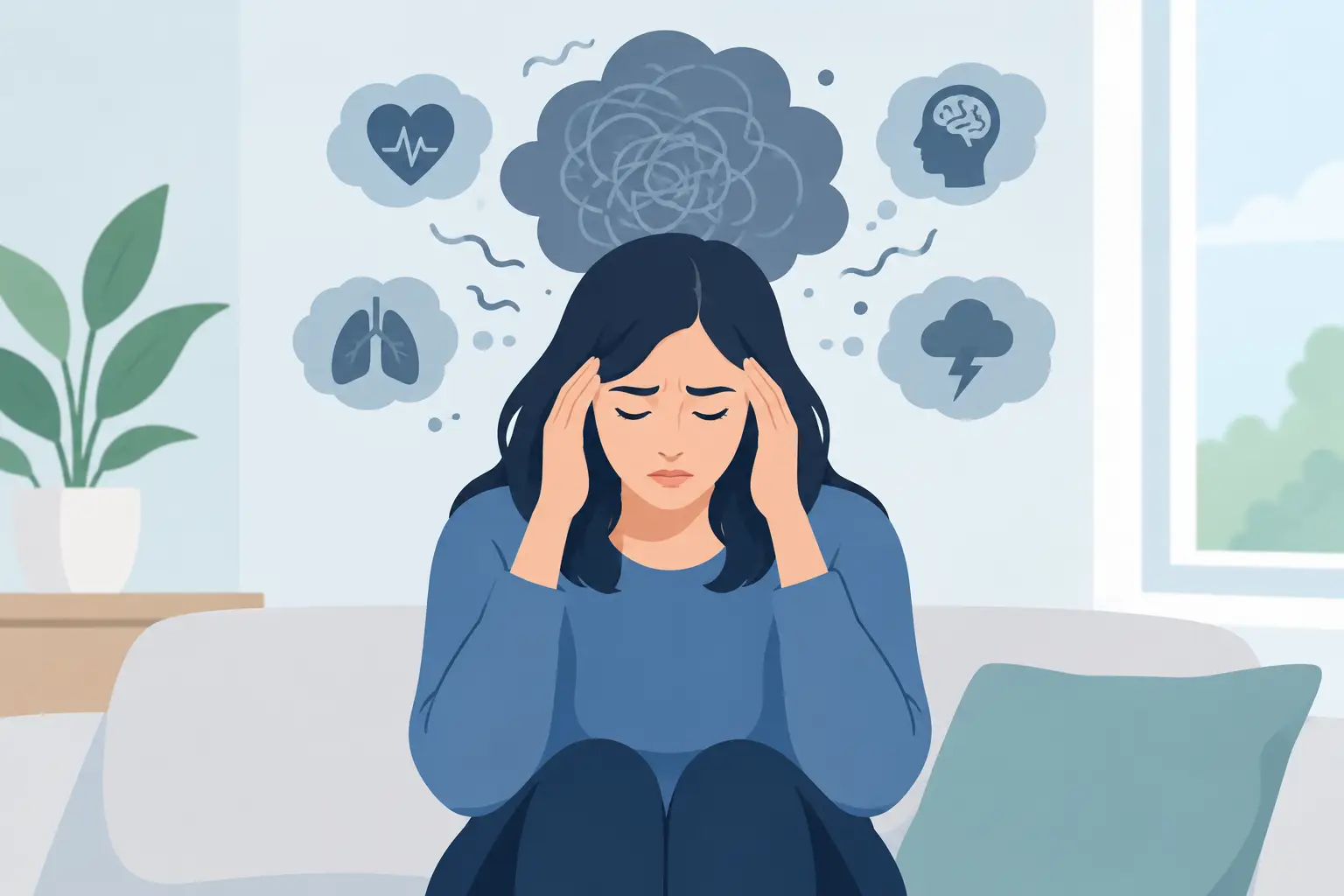
Many people start with primary care because it is familiar and accessible. Your provider already may know your medical history, current medications, family history, sleep patterns, hormone concerns, or chronic conditions that can affect mood. That wider view matters. Fatigue, concentration changes, appetite shifts, irritability, and low motivation can be symptoms of depression, but they can also be connected to thyroid conditions, anemia, medication side effects, sleep disorders, menopause, chronic pain, or other health concerns.
A thoughtful primary care visit makes room for both possibilities. Rather than treating a single symptom in isolation, your provider can talk with you about what has changed, screen for depression and anxiety, review physical health factors, and recommend a plan that fits your life.
What Antidepressants Can a Primary Care Provider Prescribe?
Primary care providers frequently prescribe commonly used antidepressants, including selective serotonin reuptake inhibitors, often called SSRIs, and serotonin-norepinephrine reuptake inhibitors, known as SNRIs. These medications are often used for depression and may also help with anxiety disorders, panic disorder, certain chronic pain conditions, or symptoms related to trauma.
Other medication options may be appropriate depending on your symptoms. For example, one medication may be more helpful when insomnia is a major concern, while another may be considered when low energy or difficulty concentrating is more prominent. Your provider will also consider potential side effects, pregnancy plans, alcohol or substance use, other prescriptions, and conditions such as high blood pressure, seizures, heart disease, or bipolar disorder.
Medication is not a one-size-fits-all decision. The goal is not simply to find a prescription. It is to find a treatment approach that helps you feel more like yourself while protecting your overall health.
What to expect at the first visit
An initial appointment should feel like a conversation, not a rushed checklist. Your provider may ask about your mood, sleep, appetite, energy, concentration, stress level, and how symptoms are affecting work, school, caregiving, or relationships. They may also ask whether you have experienced periods of unusually high energy, less need for sleep, impulsive decisions, racing thoughts, or elevated mood.
These questions help screen for bipolar disorder, which requires a different treatment approach than depression alone. Taking an antidepressant without recognizing bipolar symptoms can sometimes worsen mood instability, which is one reason a careful evaluation matters.
Your provider may recommend lab work or other testing when symptoms suggest a medical contributor. They may also use a standardized depression or anxiety screening tool to establish a baseline and track how you are doing over time.
Antidepressants Work Best With Follow-Up
Starting an antidepressant is usually the beginning of a care plan, not the end of one. Most antidepressants take time to work. Some people notice improvements in sleep, appetite, or physical anxiety within the first few weeks, while mood and motivation can take four to eight weeks to improve more fully.
Side effects can happen, especially early in treatment. Depending on the medication, these may include nausea, headache, changes in sleep, sweating, sexual side effects, restlessness, or stomach upset. Many side effects improve as your body adjusts, but you should not feel that you have to push through severe or troubling symptoms alone.
Follow-up appointments allow your provider to check in on benefits, side effects, medication adherence, and safety. They can adjust the dose, change medications, add therapy recommendations, or investigate other factors when improvement is limited. Regular follow-up is especially valuable during the first few months and after any medication change.
Do not stop an antidepressant suddenly unless a clinician directs you to do so. Some medications can cause uncomfortable discontinuation symptoms when stopped abruptly. If you want to reduce or change a medication, your provider can create a gradual plan.
When Primary Care Is the Right Place to Start
Primary care can be an excellent starting point when symptoms are new, mild to moderate, or affecting daily life without creating an immediate safety concern. It can also be a practical option for people who want care close to home, need a telehealth appointment, or prefer to discuss mental and physical health in one place.
This approach can be particularly helpful when mood changes overlap with concerns like weight changes, menopause symptoms, thyroid questions, chronic illness, sleep issues, or medication interactions. Coordinated care reduces the burden of repeating your story to multiple offices and helps providers see the full picture.
At Safe Space Clinic, integrated primary and mental health care can support patients who need both compassionate listening and practical medical follow-through. Whether the plan includes medication, counseling, testing, lifestyle support, or a referral, care should feel coordinated rather than fragmented.
When a Psychiatrist or Specialist May Be Needed
Primary care and psychiatric care are not competing choices. They often work best together. A primary care provider may refer you to a psychiatrist, therapist, or other mental health specialist when your needs call for more specialized evaluation or treatment.
A referral may be recommended if you have severe depression, thoughts of self-harm, possible bipolar disorder, psychosis, complex trauma, substance use concerns, multiple unsuccessful medication trials, or difficult medication side effects. Psychiatric support can also be useful when several medications are needed or when diagnosis is unclear.
Therapy may be recommended at any stage, not only when symptoms are severe. Cognitive behavioral therapy, interpersonal therapy, trauma-focused therapy, and other approaches can help people build skills for managing thoughts, relationships, stress, grief, and behavioral patterns. For many patients, medication and therapy together are more effective than either option alone.
If you are having thoughts of harming yourself, feel unable to stay safe, or are experiencing a mental health emergency, call or text 988 for the Suicide & Crisis Lifeline, call 911, or go to the nearest emergency room. Immediate support is available, and you deserve care without judgment.
Questions Worth Bringing to Your Appointment
You do not need to arrive with the right diagnosis or perfect words. It can help to write down when your symptoms started, what makes them better or worse, and how they affect your routine. If possible, bring a list of medications, vitamins, supplements, and any past mental health treatments.
You may also want to ask how long a medication typically takes to work, what side effects to watch for, when you should schedule follow-up, whether therapy would help, and what to do if symptoms worsen between appointments. Clear answers can make a new treatment plan feel less overwhelming.
Depression is not a personal failure, and seeking treatment does not mean you have to navigate it alone. A primary care visit can be a meaningful first step toward feeling heard, identifying what is contributing to your symptoms, and building a care plan that supports your health as a whole.



 Book Your Appointment Today and Start Feeling Better Appointments available No waits time