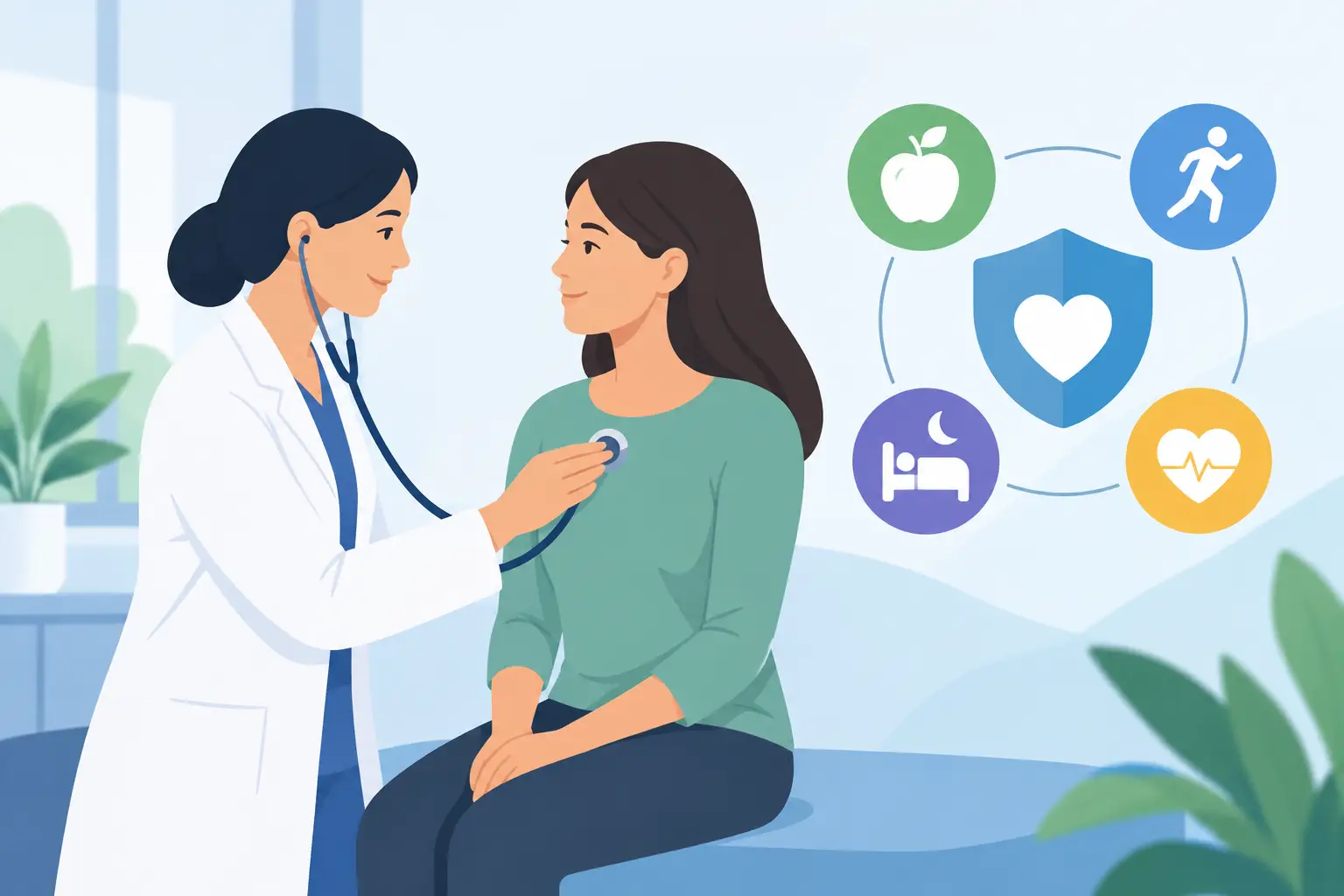
A blood pressure reading that gradually rises, a change in sleep, a new feeling of anxiety, or a screening that is overdue may not feel urgent. But these are often the moments when preventive medicine can make the greatest difference. It creates space to notice changes early, ask better questions, and make a plan before a health concern becomes harder to manage.
Preventive care is not about expecting the worst. It is about giving yourself the information, support, and follow-through needed to protect your health over time. For busy adults, parents, caregivers, and older adults, that can mean fewer last-minute decisions and a clearer path forward when something does not feel right.
What Preventive Medicine Really Includes
Preventive medicine is the care designed to help you stay well, lower avoidable health risks, and identify concerns at an earlier stage. It includes annual wellness visits, routine physical exams, vaccines, recommended cancer screenings, blood pressure checks, lab work, and conversations about nutrition, sleep, stress, movement, sexual health, and substance use.
It also looks beyond a checklist. A meaningful preventive visit considers your personal and family history, medications, life stage, symptoms, mental health, and goals. Someone planning a pregnancy may need different support than a person managing high cholesterol, navigating menopause, caring for an aging parent, or trying to regain energy after months of poor sleep.
The goal is not to order every possible test. More testing is not always better, and unnecessary tests can lead to extra cost, worry, and follow-up procedures. Good care uses evidence-based screening guidance along with your individual risk factors to decide what is likely to be useful.
Why Earlier Care Can Change the Next Steps
Many common conditions develop quietly. High blood pressure, diabetes, high cholesterol, osteoporosis, kidney disease, and some cancers may cause few or no noticeable symptoms in their early stages. Screening cannot prevent every illness, but it can find certain concerns sooner, when treatment or lifestyle changes may have more options.
Early care can also prevent small problems from becoming disruptive ones. A clinician may spot a medication side effect before it causes a fall, address prediabetes before blood sugar rises further, or help treat depression and anxiety before they begin to affect work, relationships, and physical health.
Mental health belongs in this conversation. Persistent stress, grief, low mood, panic symptoms, or trouble concentrating are health concerns, not personal failures. When primary care and mental health support are connected, it is easier to see the full picture. Fatigue, sleep changes, weight changes, pain, and anxiety can overlap, and patients deserve care that does not force them to separate what their body and mind are experiencing.
Your Preventive Care Plan Should Be Personal
Age-based recommendations are a helpful starting point, but they are not the entire plan. Your clinician may recommend earlier or more frequent screening based on family history, prior test results, chronic conditions, pregnancy history, tobacco use, medications, or other factors.
For example, a person with a close relative who had colorectal cancer may need a different screening timeline than someone at average risk. A patient with obesity, high blood pressure, or a history of gestational diabetes may benefit from more regular metabolic monitoring. Older adults may want to focus more closely on fall risk, bone health, vision, hearing, memory changes, and medication safety.
Preventive care should also respect your lived experience. If you have avoided medical visits because of a past negative encounter, cost concerns, a demanding schedule, or fear of being judged, starting again can feel difficult. A compassionate care relationship makes room for those concerns. You do not need to arrive with every answer or make every change at once.
The annual visit is a starting point, not a finish line
An annual exam is a valuable chance to review your health history, update vaccines, discuss recommended screenings, and talk about changes that may otherwise get pushed aside. Bring up symptoms that seem minor, changes in mood, concerns about weight, menstrual or menopausal symptoms, erectile concerns, sleep problems, or questions about medications and supplements.
Still, preventive care works best throughout the year. A screening result may call for a follow-up conversation. A new fitness goal may need realistic nutrition guidance. A medication adjustment may require a blood pressure recheck. Ongoing access helps turn recommendations into care that fits everyday life.
Know which screenings and checks apply to you
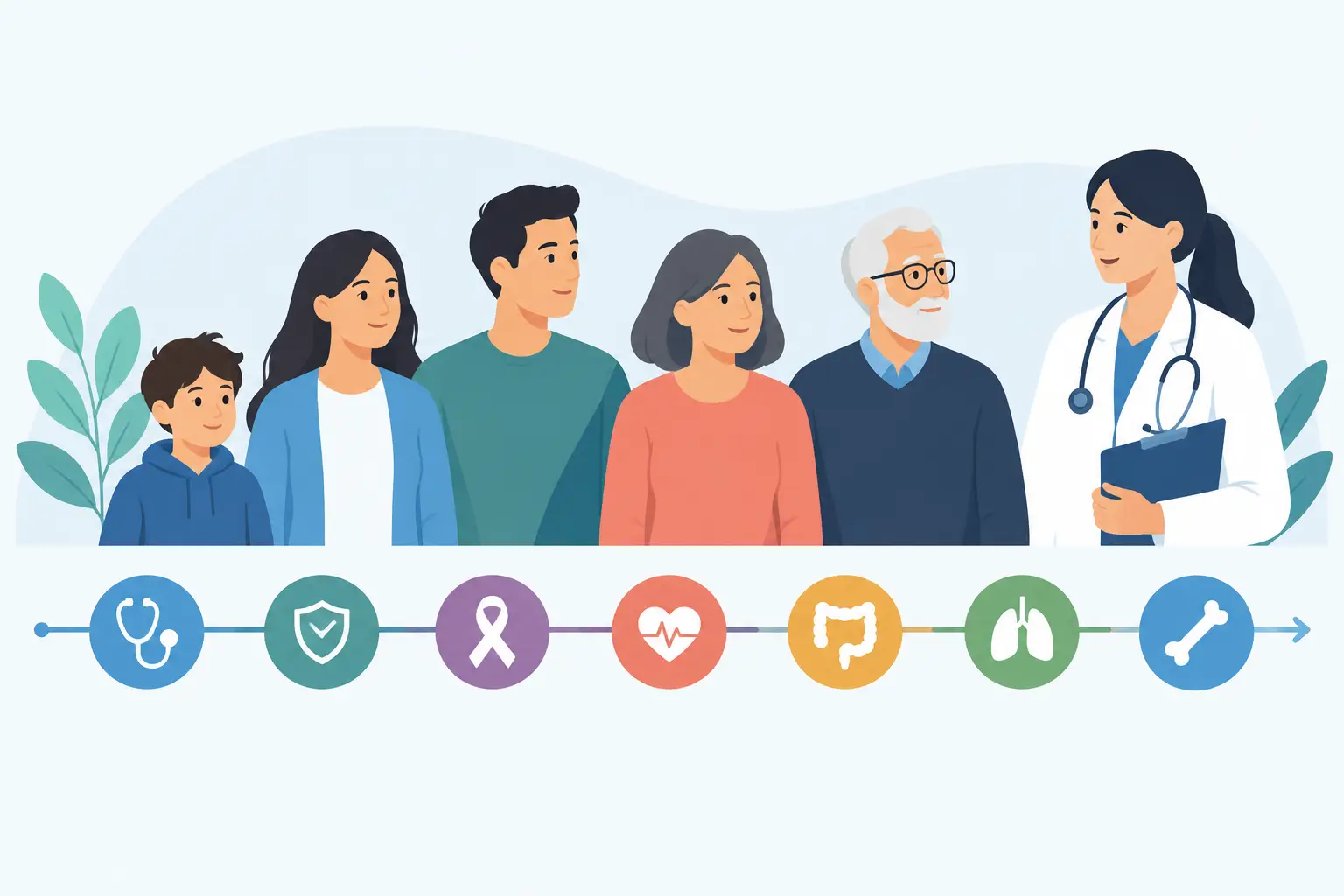
Your clinician can help you stay current with preventive services that fit your age and health history. These may include blood pressure, cholesterol, blood sugar, cervical cancer, breast cancer, colorectal cancer, lung cancer for eligible adults with a smoking history, osteoporosis, sexually transmitted infection testing, and mental health screening.
Vaccines are another practical part of prevention. Immunizations can protect against serious illness at different stages of life, including seasonal respiratory infections and shingles. Recommendations change based on age, health conditions, pregnancy, work exposures, travel, and prior vaccination history, so it is worth reviewing them regularly.
Everyday Habits Matter, but Perfection Is Not the Goal
Preventive medicine often includes conversations about food, physical activity, sleep, alcohol, tobacco, stress, and weight. These topics can feel personal, especially when past advice has been overly simplistic or shaming. The most useful approach is specific, realistic, and connected to what matters to you.
If your goal is to have more energy for your family, a plan may begin with improving sleep or eating a consistent breakfast. If joint pain makes exercise difficult, the next step may be treating pain and finding movement that feels manageable. If emotional eating is tied to anxiety, nutrition support alone may not be enough. Medical weight management, behavioral health care, and treatment for underlying conditions can all be part of an appropriate plan.
Small changes can be meaningful when they are sustainable. Taking a daily walk, adding strength training twice a week, scheduling a bedtime alarm, taking medication consistently, or cutting back on nicotine can support long-term health. The right next step depends on your needs, capacity, and medical history.
Make Prevention Easier to Keep Up With
The biggest barrier to preventive care is often not motivation. It is access. When appointments are difficult to schedule, questions take days to answer, and physical and mental health care are scattered across multiple offices, follow-through becomes harder.
A relationship-based primary care practice can reduce that friction. Having a provider who knows your history makes it easier to address a new concern, interpret trends in your labs, coordinate mental health needs, and decide whether diagnostic testing such as laboratory work, an EKG, ultrasound, or X-ray is appropriate. Telehealth can also make routine check-ins more practical when work, family responsibilities, or transportation get in the way.
At Safe Space Clinic, preventive care can be part of an ongoing relationship rather than a once-a-year task. Direct access, timely appointments, and coordinated primary and mental health services give patients more opportunities to act on concerns while they are still manageable.
Questions Worth Bringing to Your Next Visit
You do not need a perfect list of symptoms to have a productive appointment. Consider asking which screenings are due, whether your family history changes your risk, what your recent numbers mean, and which health goal would make the greatest difference right now.
It can also help to ask what you should monitor at home and when to follow up. A clear plan might include checking blood pressure, tracking sleep or mood, scheduling a screening, repeating lab work, or returning sooner if a symptom changes. Write down questions ahead of time, and bring an updated medication and supplement list if you can.
Preventive medicine is not a promise that illness will never happen. It is a practical commitment to knowing your health, responding earlier, and having trusted support as your needs change. The best time to begin is often not when life becomes less busy, but with one honest conversation about how you are feeling now.


 Book Your Appointment Today and Start Feeling Better Appointments available No waits time