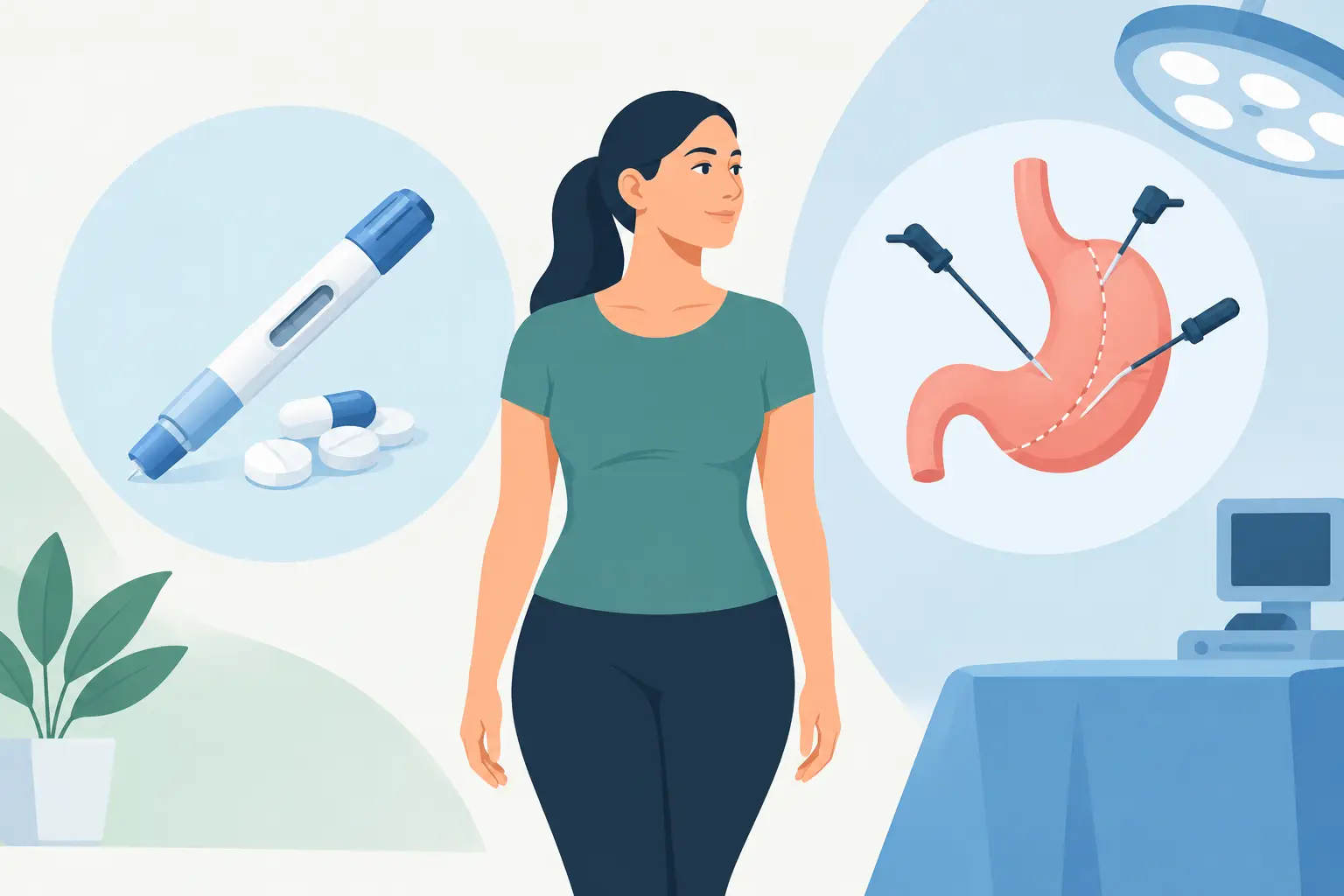
A conversation about semaglutide versus surgery is rarely just about a number on the scale. It may be about painful knees, rising blood sugar, sleep apnea, confidence, mobility, fertility goals, or feeling tired of trying plans that did not last. Both options can support meaningful weight loss and better health, but they work differently and ask different things of you over time.
The right choice is personal. Your medical history, current medications, weight-related conditions, previous efforts, insurance or budget, support system, and readiness for follow-up care all matter. A compassionate care team can help you look beyond quick promises and build a plan that fits your life.
How semaglutide supports weight loss
Semaglutide is a GLP-1 medication used for certain people with obesity or overweight along with weight-related medical conditions. It works in part by slowing stomach emptying and affecting appetite signals in the brain. Many people notice they feel full sooner, think less often about food, and find it easier to follow nutrition and activity changes.
With the dose used for chronic weight management, clinical studies have shown that many participants lose about 15% of their starting body weight on average when medication is paired with lifestyle support. Results vary widely. Some people lose more, some lose less, and progress is not always linear.
Semaglutide is not a replacement for eating or movement habits. It can make those changes more manageable, especially for people who have struggled with hunger, cravings, insulin resistance, or repeated weight regain. Ongoing primary care also matters because weight loss can affect blood pressure, diabetes medications, sleep, mood, and nutritional needs.
What treatment with semaglutide involves
Semaglutide is generally a weekly injection, with a gradual dose increase to help limit side effects. Nausea, constipation, diarrhea, vomiting, and stomach discomfort are common, particularly while the dose is increasing. Eating smaller meals, staying hydrated, and working closely with your clinician can often help.
The medication is not right for everyone. A clinician should review your personal and family history, including a history of certain thyroid cancers or multiple endocrine neoplasia syndrome type 2. It also needs special consideration for people who are pregnant, planning pregnancy, have a history of pancreatitis, gallbladder concerns, significant digestive disorders, or take medications that can lower blood sugar.
For many patients, the biggest practical consideration is that semaglutide usually works best as long-term treatment. When the medication is stopped, appetite can return and weight regain is common without a strong maintenance plan. That does not mean medication has failed. It means obesity is often a chronic health condition that benefits from continued care, much like high blood pressure or diabetes.
What weight-loss surgery changes
Weight-loss surgery, also called bariatric or metabolic surgery, changes the digestive system to help people eat less, feel full sooner, and in some procedures absorb fewer calories. Common procedures include sleeve gastrectomy and gastric bypass. Surgery can also create rapid improvements in conditions such as type 2 diabetes, high blood pressure, fatty liver disease, and obstructive sleep apnea.
On average, surgery often produces greater total weight loss than medication alone. The amount depends on the procedure, starting weight, health conditions, and long-term follow-through. Many patients lose roughly 25% to 35% of their starting body weight, though individual results differ.
Surgery may be especially worth discussing when a person has a higher BMI, serious weight-related medical concerns, or needs a larger degree of weight loss to improve health. It can be a life-changing tool, but it is still a tool. Long-term success depends on regular follow-up, nutrition changes, movement, emotional support, and attention to vitamin and mineral needs.
What surgery requires after the procedure
Surgery involves preoperative testing, anesthesia, recovery time, and lifelong medical follow-up. The first weeks require a carefully staged nutrition plan, beginning with liquids and gradually adding other foods. Meals become smaller, protein intake becomes a priority, and eating too quickly or too much can cause significant discomfort.
There are also real risks to weigh. These can include bleeding, infection, blood clots, leaks, reflux, bowel obstruction, dumping syndrome, gallstones, and complications related to anesthesia. The risk profile depends on the procedure and your overall health. Nutrient deficiencies can occur after surgery, particularly after gastric bypass, so patients need lifelong vitamins, supplements, and periodic lab work.
Surgery can affect how the body absorbs medications as well. People considering pregnancy typically need individualized guidance about timing and nutrition before and after a procedure. A surgical program should provide education and regular monitoring, not simply perform the procedure and send you on your way.
Semaglutide versus surgery: the trade-offs
The central difference between semaglutide versus surgery is not which option is “easier.” Both require commitment. Semaglutide avoids an operation and has little to no recovery downtime, but it may involve ongoing injections, medication costs, side effects, and long-term use. Surgery may lead to more substantial weight loss and faster metabolic improvement, but it has surgical risks, recovery needs, permanent anatomical changes, and lifelong nutrition responsibilities.
Cost and coverage can shift the decision, too. Insurance plans vary widely in coverage for anti-obesity medications, bariatric procedures, laboratory testing, and follow-up care. Some people find surgery more accessible through their coverage, while others prefer the lower upfront burden of medication. Looking at the full cost of care, including monitoring, supplements, visits, and potential long-term medication needs, can help prevent surprises.
Your timeline matters as well. A person preparing for a major surgery, trying to improve blood sugar before a procedure, or hoping to reduce joint strain may benefit from medication first. Someone with severe obesity and difficult-to-control diabetes may be better served by a timely surgical evaluation. In some cases, medication is used before surgery to lower operative risk or after surgery to address weight regain.
Your mental health belongs in the decision
Weight management is closely connected to stress, sleep, trauma, depression, anxiety, body image, and relationships with food. These concerns do not disqualify someone from semaglutide or surgery. They deserve support as part of the plan.
For example, binge eating, restrictive eating, emotional eating, alcohol use, or untreated depression can make any weight-loss approach harder to sustain. Addressing these experiences with empathy can improve outcomes and protect your well-being. The goal should never be shame or pressure. It should be helping you feel stronger, healthier, and more supported in your daily life.
A coordinated practice such as Safe Space Clinic can help connect weight management with primary care, lab monitoring, mental health support, preventive care, and treatment for related concerns. That continuity can be especially helpful when your needs change during treatment.
Questions to bring to your appointment
A useful consultation should leave room for your questions, not rush you toward one answer. Ask how much weight loss is realistic for your health goals, what side effects or complications are most relevant to you, and what follow-up will look like in the first year and beyond.
You can also ask whether your current medications, medical conditions, or reproductive plans change the recommendation. If cost is a concern, ask for a clear explanation of what is covered and what expenses may continue over time. Most importantly, ask what support is available if progress slows, side effects develop, or weight returns.
The next step does not have to be permanent on day one. A thoughtful evaluation can help you choose a treatment path that respects both your health goals and the life you want to live while pursuing them.




 Book Your Appointment Today and Start Feeling Better Appointments available No waits time