
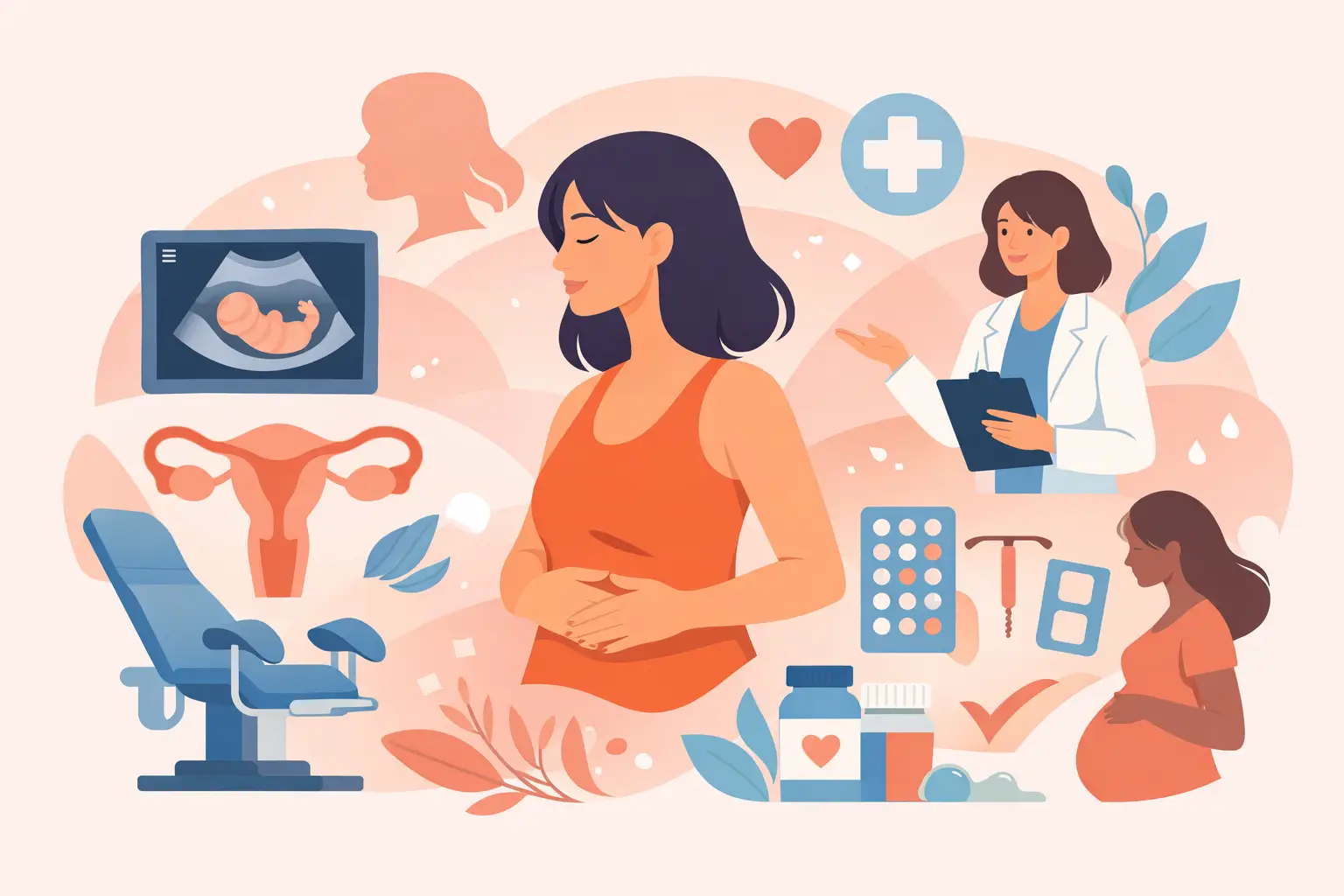
A period that suddenly changes, persistent pelvic discomfort, questions about contraception, or new symptoms during menopause can affect far more than your physical comfort. Women’s reproductive health services should give you a clear place to start, with care that respects your concerns and considers the rest of your health too.
Reproductive care is not limited to an annual exam or a single life stage. It can support you through adolescence, family planning, pregnancy preparation, postpartum changes, perimenopause, menopause, and the years beyond. The most helpful care is personal: it makes room for your symptoms, your goals, your medical history, and how you want to feel day to day.
What women’s reproductive health services can include
A comprehensive visit begins with listening. Your clinician may ask about your menstrual cycle, sexual health, medications, prior pregnancies, family history, sleep, stress, mood, and changes in weight or energy. These details can help connect symptoms that may otherwise seem unrelated.
Depending on your needs, reproductive health care may include preventive exams, cervical cancer screening based on current guidelines, breast health conversations, testing for infections, contraception counseling, and evaluation of irregular or painful periods. It may also include support for concerns such as pelvic pain, vaginal dryness, painful sex, heavy bleeding, ovarian cysts, fibroids, polycystic ovary syndrome, endometriosis, or symptoms that may be related to hormonal changes.
Care should not assume that every concern has the same answer. For example, heavy periods may be related to fibroids, a hormonal condition, medication effects, a bleeding disorder, pregnancy-related changes, or another issue. A thoughtful evaluation may include a physical exam, laboratory testing, imaging such as ultrasound, or a referral when specialized treatment is needed.
Preventive care is more than an annual appointment
An annual wellness visit is a useful foundation, but prevention works best as an ongoing conversation. Screening needs change with age, personal history, family history, and prior test results. A clinician can help you understand which screenings apply to you and when follow-up makes sense.
Preventive reproductive care also includes conversations that are easy to postpone: whether your birth control still fits your needs, whether you want testing after a new sexual partner, or whether a family history of breast, ovarian, uterine, or colon cancer should change your care plan. There is no need to wait until something feels urgent to bring these questions up.
Your mental health belongs in this conversation as well. Anxiety, depression, trauma, major stress, sleep disruption, and medication changes can influence libido, menstrual cycles, pain perception, and your ability to manage chronic symptoms. Likewise, reproductive concerns can affect mood and confidence. Coordinating primary care and mental health support can reduce the burden of repeating your story to multiple offices.
Contraception should match your life, not a script
The right contraceptive option depends on more than effectiveness. You may be thinking about cycle control, acne, migraines, side effects, privacy, convenience, future fertility plans, medical conditions, or how often you want to think about birth control.
Some people prefer a daily pill, while others want a longer-acting option. Others may choose barrier methods, fertility awareness approaches, permanent contraception, or no hormonal method at all. Each option has benefits and limitations, and medical history matters. For instance, certain hormonal methods may not be appropriate for everyone with migraine with aura, high blood pressure, a history of blood clots, or specific cancer risks.
A supportive clinician will explain choices plainly, answer questions without judgment, and help you revisit the plan when your circumstances change. Starting, stopping, or switching contraception should feel like a shared decision, not a rushed one.
When menstrual symptoms deserve a closer look
Many people are told that severe cramps, exhaustion during periods, or unpredictable cycles are simply something to live with. While cycles can vary, symptoms that interfere with work, school, sleep, exercise, relationships, or daily life are worth discussing.
Make an appointment if you are soaking through pads or tampons unusually quickly, passing large clots, missing periods without an expected reason, bleeding between periods, experiencing worsening pelvic pain, or noticing major changes in your usual pattern. New symptoms after age 40, after pregnancy, or during the transition to menopause also deserve attention.
Tracking your cycle before a visit can be useful. Note the first day of bleeding, flow changes, pain level, spotting, headaches, mood changes, and symptoms such as bloating or fatigue. This is not about proving that something is wrong. It simply gives your care team better information to guide next steps.
Seek urgent medical care for severe or sudden pelvic or abdominal pain, very heavy bleeding with dizziness or fainting, chest pain, shortness of breath, or possible pregnancy with bleeding or pain. These symptoms can have many causes, but they should not wait for a routine appointment.
Reproductive health through perimenopause and menopause
Perimenopause can begin years before periods stop. Cycles may become shorter, longer, heavier, lighter, or less predictable. Hot flashes, night sweats, sleep changes, brain fog, mood shifts, joint aches, vaginal dryness, and changes in sexual comfort are also common. Common does not mean you have to manage them alone.
Menopause care is individualized because symptoms, health history, and preferences differ. Some people benefit from lifestyle adjustments, nonhormonal options, localized treatment for vaginal symptoms, or hormone therapy. Hormone therapy can be an appropriate option for some patients, but it is not right for everyone. A careful discussion should include your symptoms, cardiovascular health, personal and family cancer history, clotting risk, and the potential benefits and risks of treatment.
This stage is also a good time to review bone health, heart health, sleep, blood pressure, cholesterol, and metabolic health. Reproductive changes do not occur separately from the rest of your body. Coordinated care can help you make decisions with the full picture in view.
What coordinated women’s reproductive health services feel like
Fragmented healthcare can turn a straightforward concern into a series of appointments, repeated forms, and delayed answers. A more connected approach allows your clinician to consider primary care, reproductive symptoms, lab results, imaging, weight concerns, medications, and mental health together.
At Safe Space Clinic, this whole-person approach can include in-person or telehealth care, preventive visits, prompt access for new concerns, and in-house diagnostic services when appropriate. For patients who value predictable costs and ongoing access, a direct-care membership can also make it easier to seek care before a concern becomes more disruptive.
Not every reproductive health issue can or should be managed in one office. Complex gynecologic conditions, high-risk pregnancies, fertility treatment, surgery, and some specialized procedures may require referral to an obstetrician-gynecologist or another specialist. Good coordinated care includes knowing when that expertise is needed and helping you understand the next step.
You deserve reproductive care where questions are welcomed, symptoms are taken seriously, and decisions reflect your own health goals. Whether you are due for preventive care or have noticed a change you cannot explain, starting the conversation now can bring clarity, relief, and a plan that feels right for you.




 Book Your Appointment Today and Start Feeling Better Appointments available No waits time