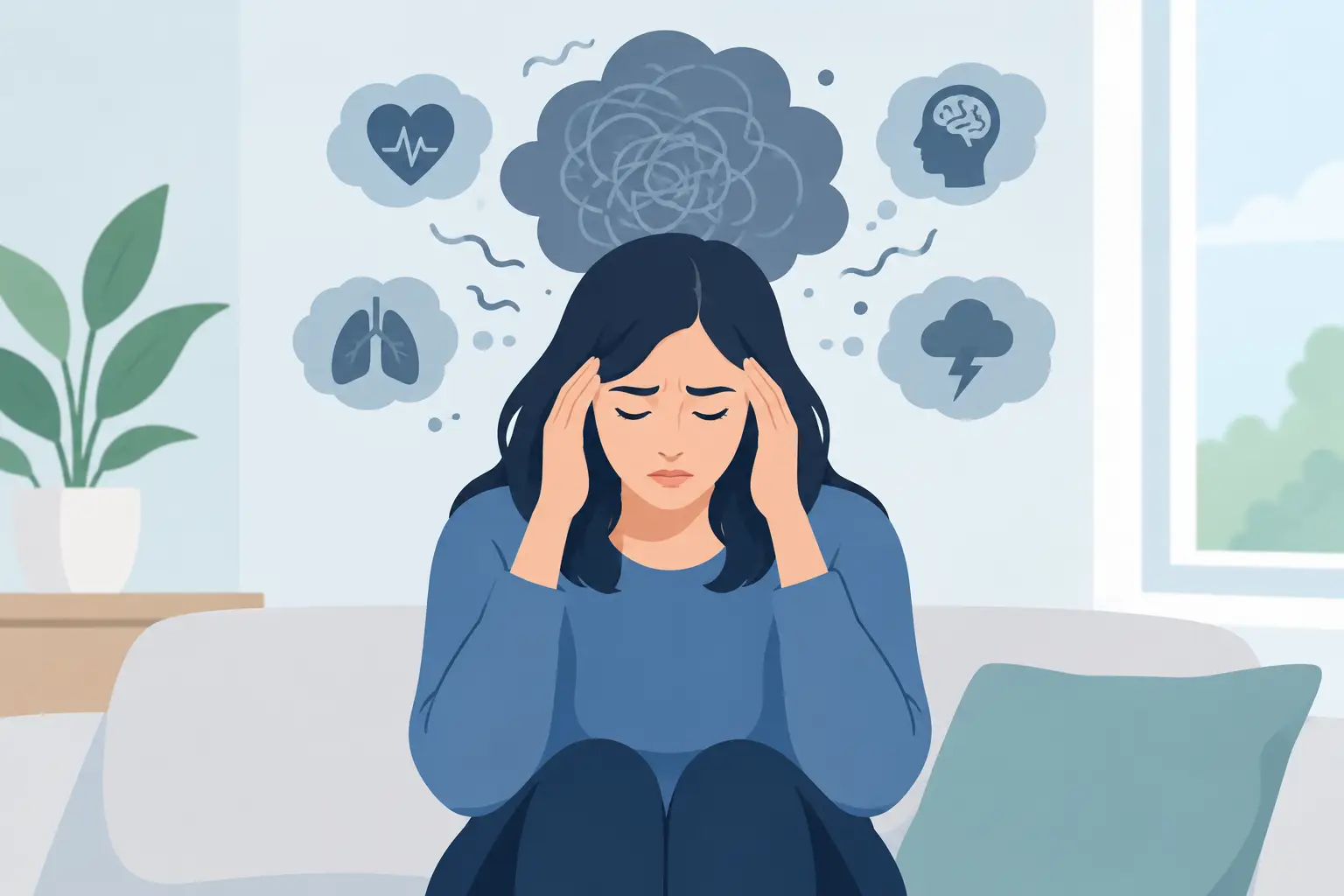
A racing heart can feel like a medical emergency. Your chest may tighten, your hands may tingle, and a powerful sense of danger can arrive without warning. If you have asked, “why do panic attacks happen,” the short answer is that your body’s alarm system has activated at full volume, even when there is no immediate threat in front of you.
That experience is real, frightening, and more common than many people realize. Panic attacks are not a sign of weakness or a failure to cope. They are intense episodes of fear and physical symptoms that deserve compassionate attention, especially when they begin affecting your work, sleep, relationships, or willingness to leave home.
What a panic attack feels like
A panic attack often peaks within minutes. Symptoms can include a pounding or rapid heartbeat, shortness of breath, chest discomfort, sweating, shaking, nausea, dizziness, chills, hot flashes, numbness, or a feeling of being detached from yourself or your surroundings. Many people worry they are having a heart attack, passing out, losing control, or dying.
The symptoms are physical because panic involves the nervous system. When the brain detects danger, it can trigger a fight-or-flight response. Stress hormones prepare the body to act quickly: the heart beats faster, breathing changes, muscles tense, and attention narrows toward possible threats. This response is useful when danger is present. During a panic attack, however, the alarm is out of proportion to the situation.
A first episode should not be self-diagnosed. Chest pain, severe shortness of breath, fainting, new neurological symptoms, or symptoms that feel different from prior episodes need prompt medical evaluation. Getting checked can provide reassurance and help rule out conditions that can resemble panic.
Why do panic attacks happen? Usually, it is not one reason
Panic attacks can appear suddenly, but they rarely exist in a vacuum. For some people, a period of sustained stress lowers the threshold for panic. Work pressure, caregiving, financial strain, grief, illness, relationship changes, trauma, or a major life transition can keep the body in a heightened state for weeks or months.
For others, the trigger begins with a normal body sensation. A skipped heartbeat, a wave of dizziness, caffeine jitters, or feeling short of breath after climbing stairs may be interpreted as dangerous. That interpretation creates more fear, which increases adrenaline and intensifies the sensation. The person then feels even more certain that something is seriously wrong. This feedback loop can build quickly.
Panic also has a learning component. After a frightening episode in a grocery store, during a meeting, or while driving, a person may start scanning for symptoms or avoiding the place where it happened. Avoidance can bring short-term relief, but it may teach the brain that the situation was unsafe. Over time, the fear of having another attack can become as disruptive as the attacks themselves.
Sometimes there is no clear trigger at all. Unexpected attacks do not mean the symptoms are imagined. They may reflect a nervous system that is sensitized by stress, sleep disruption, past experiences, biology, or a combination of factors that is not obvious in the moment.
Factors that can make panic more likely
Anxiety disorders, including panic disorder, can run in families. A personal history of trauma, depression, chronic stress, or previous anxiety may also increase vulnerability. Some people experience their first attacks during adolescence or early adulthood, though panic can begin at any age.
Daily habits and physical health matter, too. Poor sleep, dehydration, missed meals, alcohol withdrawal, nicotine, cannabis, stimulant medications, and high amounts of caffeine can intensify anxiety symptoms in some people. Hormonal shifts, including pregnancy, postpartum changes, perimenopause, and thyroid changes, may affect mood and physical sensations.
Medical conditions can overlap with panic symptoms. Thyroid disease, heart rhythm concerns, asthma and other breathing conditions, low blood sugar, anemia, medication side effects, and certain substance-related effects may cause symptoms that feel similar. This is why integrated care is valuable: mental health concerns deserve support, and physical contributors deserve a thoughtful evaluation rather than assumptions.
The panic cycle: fear of the symptoms can fuel the symptoms
One reason panic feels so persistent is that the body reacts to what the mind predicts. Imagine noticing your heart beat harder after coffee. If the thought is, “This is uncomfortable, but it will pass,” your stress response may settle. If the thought is, “Something is terribly wrong,” the brain may activate its emergency response.
That does not mean you can simply think your way out of panic. The response is automatic, and telling yourself to “calm down” can feel impossible in the moment. But with practice, people can learn to recognize the pattern, respond to body sensations differently, and reduce the cycle’s power.
Panic disorder is diagnosed when recurrent attacks are followed by ongoing worry about future attacks or significant behavior changes, such as avoiding exercise, travel, crowds, driving, or being alone. Not everyone who has a panic attack has panic disorder. A clinician can help distinguish an isolated episode from a pattern that needs ongoing treatment.
What to do during a panic attack
The goal is not to force the attack to disappear immediately. Instead, focus on helping your nervous system recognize that you are safe enough to let the alarm settle.
Start by naming what is happening: “This feels like panic. It is frightening, but it will pass.” Place both feet on the floor or press your hands against a solid surface. Look around and identify a few neutral details, such as the color of a wall, the feel of a chair, or sounds in the room. Grounding shifts some attention away from the threat signal.
Try a gentler breathing pattern rather than large, rapid breaths. Breathe in comfortably, then make your exhale slightly longer. For example, inhale for a count of three and exhale for a count of five, without straining. Hyperventilating can worsen dizziness and tingling, so the aim is steady breathing, not taking in as much air as possible.
If you can, stay where you are long enough for the wave to decrease. Leaving immediately is understandable, but repeatedly escaping can strengthen the fear response. There are exceptions: move to a safer place if you are driving, feel physically unsafe, or have symptoms that need urgent medical attention.
Care that addresses both body and mind
Effective treatment is available, and the right plan depends on your symptoms, health history, preferences, and access to support. Cognitive behavioral therapy is commonly used for panic because it helps people identify fearful interpretations, reduce avoidance, and gradually face sensations or situations they have begun to fear.
Medication may be helpful for some people, particularly when attacks are frequent or anxiety is affecting daily life. A clinician can discuss options, expected benefits, side effects, and whether medication fits alongside therapy and lifestyle changes. Quick-relief medications may have a role in selected situations, but they are not the best long-term answer for everyone because of side effects and dependence concerns.
Primary care and mental health care can work together. A clinician may review your medications, sleep, caffeine and alcohol use, recent stressors, and medical history while considering appropriate testing for physical causes. That coordinated approach can replace uncertainty with a clear plan.
When to seek urgent help
Call 911 or seek emergency care for new or severe chest pain, trouble breathing, fainting, signs of stroke, a severe allergic reaction, or symptoms that could represent a medical emergency. Do not assume a first episode is panic, particularly if you have heart or lung disease, are pregnant, or have new concerning symptoms.
Seek prompt mental health support if panic is causing you to avoid everyday activities, miss work, rely on substances to cope, or feel hopeless. If you are thinking about harming yourself or do not feel safe, call or text 988 in the United States for immediate crisis support, or call 911 if there is imminent danger.
You do not have to wait until panic takes over your routine to ask for help. At Safe Space Clinic, a whole-person evaluation can address the physical symptoms, emotional stress, and practical treatment options behind your experience. Feeling better often starts with one conversation, one clear explanation, and care that meets you where you are.



 Book Your Appointment Today and Start Feeling Better Appointments available No waits time